Email marketing is a key part of digital marketing strategies and is there for a good reason. It's the most effective way to directly and efficiently connect with potential customers and existing ones.
In simple terms, email marketing is the part of your digital marketing plan that uses email to promote your brand, products, and services.
It allows you to reach people who have shown interest in your brand by signing up for your email list. You can keep your customers up to date with new products, discounts, services, and more. It also helps you stay in touch with your audience and educate them on the value your brand provides.
Email marketing has been part of marketing strategies for more than twenty years and is still one of the most popular ways to communicate with the public.
Over 73% of consumers prefer to receive brand messages through email.
Despite some myths about its decline, email marketing is still one of the most cost-effective tools for marketers.
On average, businesses get a return of $42 for every $1 invested in email marketing. This makes it an especially valuable option for marketers who are working with limited budgets or limited time.
Type Of Email Marketing Compaigns
There are various types of email marketing campaigns businesses can use.
Newsletter
Newsletters are a flexible way to build relationships and keep your audience informed.
They can be used to share company updates, industry news, blog posts, case studies, and other useful content. Good newsletters are informative, engaging, and visually appealing.
Promotional Email
Promotional emails are great for driving sales and increasing revenue.
They can include promotions, sales, new products, limited-time offers, and more. When creating these emails, it's important to create a sense of urgency and clearly explain the benefits of taking action.
Re-engagement Email
Re-engagement emails are a useful tactic for reactivating subscribers who have become less responsive.
These campaigns help get disengaged customers back into the fold, reignite their interest in your brand, and encourage them to take action.
Transactional Email
Transactional emails are sent out in response to specific actions, such as making a purchase, creating an account, or resetting a password.
These should be automated for timely delivery and should provide essential information to the customer. Examples include purchase confirmations, shipping updates, password reset instructions, and order cancellation confirmations.
Abandoned Cart Email
Abandoned cart emails are a powerful way to recover lost sales.
These are sent to customers who added items to their cart but didn’t complete the purchase. By reminding them of the items they left and offering a link to return to their cart, you can encourage them to finish their purchase.
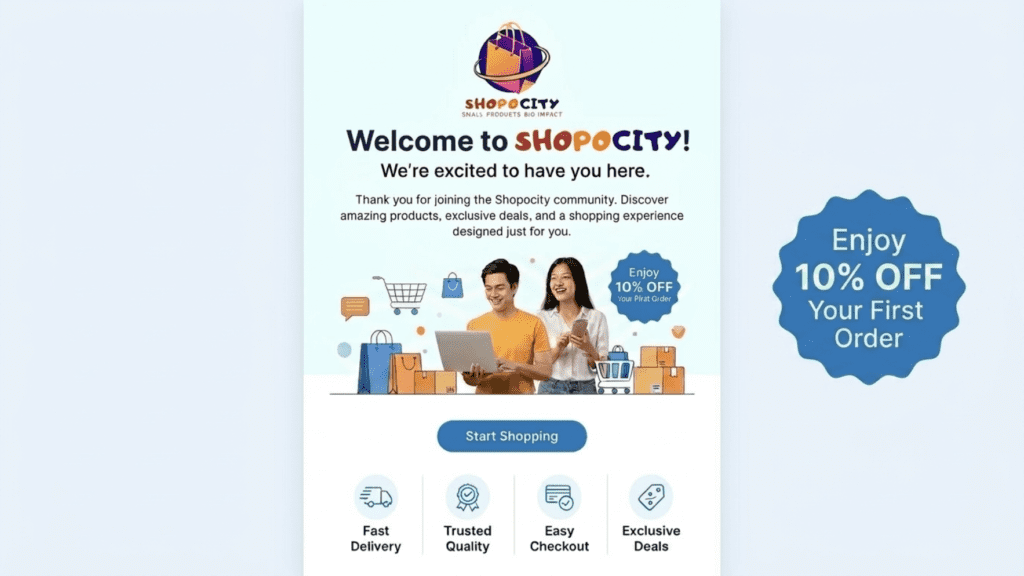
Welcome Email
Welcome emails serve as the initial introduction of your brand to new subscribers.
They should be personalized, informative, and inviting. They can introduce your brand, highlight key benefits, provide links to your website or social media, and offer exclusive discounts or promotions.
Survey Email
Survey emails are a great way to gather customer feedback.
They help you understand customer opinions on your products, services, or overall experience. This information can help you make improvements and decisions based on data.
Survey emails should be short, easy to complete, and may include incentives for participation.
Event Invitation Email
Webinars, conferences, workshops, and other events can be promoted through event invitation emails.
They should include key details like the event's date, time, location, and topic. They should also explain the benefits of attending and include a clear call to action, such as registering for the event.
Customer Appreciation Email
Customer appreciation emails are a good way to show your customers that you value them.
They can be used to thank loyal customers, offer special deals or discounts, or simply express your thanks. By showing appreciation, you can build stronger relationships and encourage repeat business.
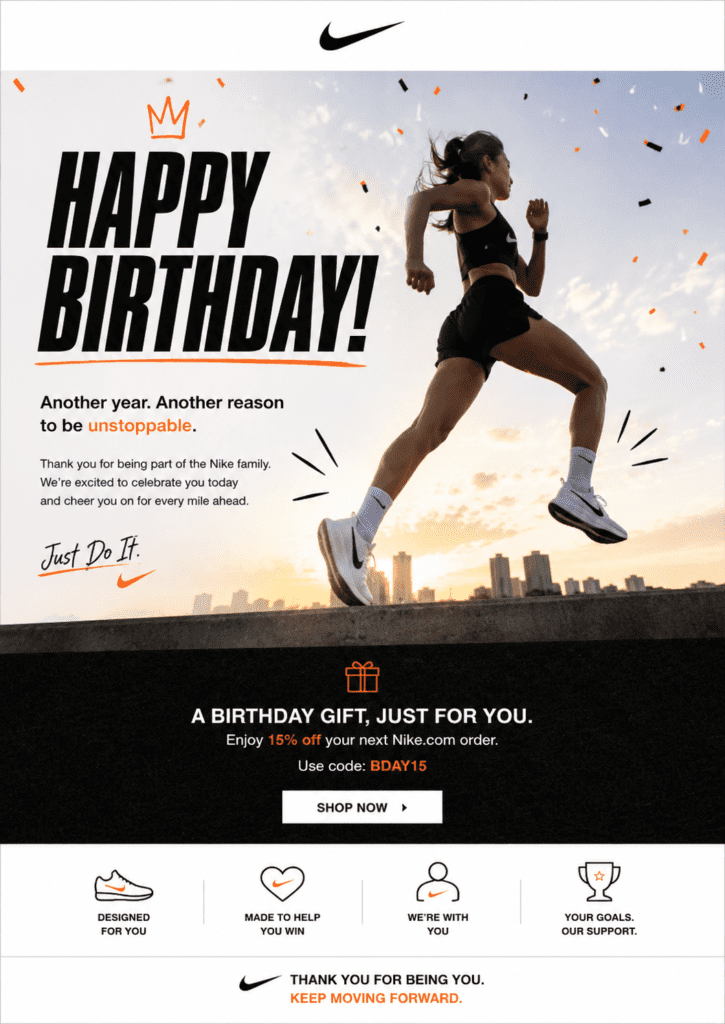
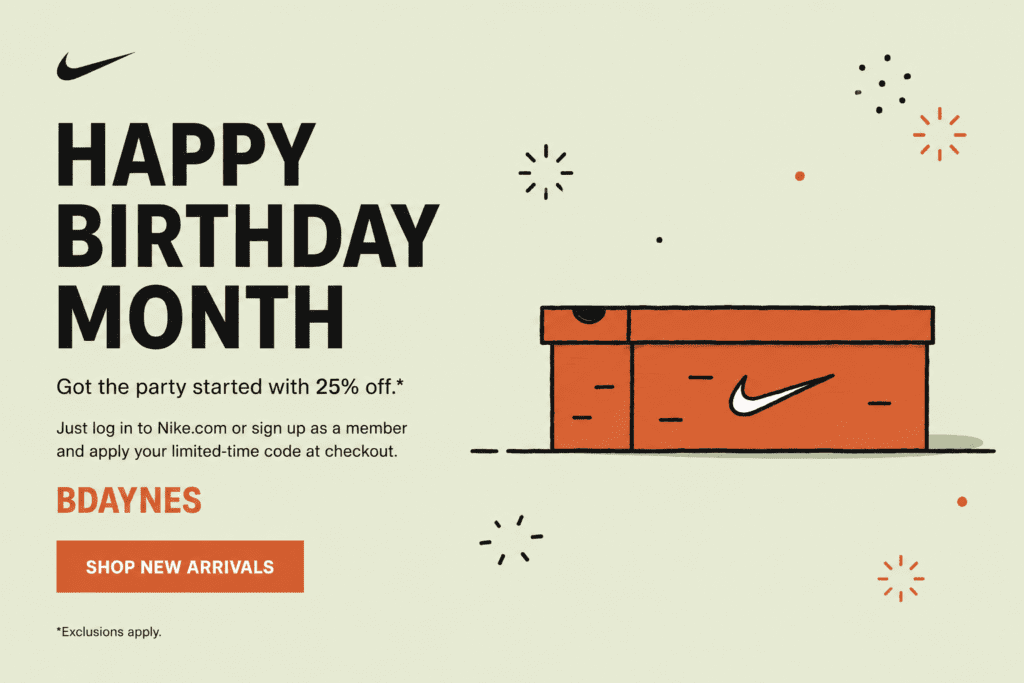
Birthday Email
Sending birthday emails is a great way to connect with your customers on a personal level by celebrating their special day with exclusive offers, discounts, or personalized messages.
Ultimately, this type of campaign can help increase both customer loyalty and overall engagement.
How can email marketing drive growth for your business?
As the number of marketing channels grows, it's easy for brands to focus on new strategies and neglect their email marketing efforts.
After all, email has been around for so long that some might think the campaigns just run themselves.
That's not true.
Today's marketers are under constant pressure to achieve more with fewer resources.
At the same time, customers expect personalized and unique experiences at every interaction. As technology continues to advance, more tools than ever before make it possible for marketers to meet these expectations. But it's important not to overlook the channel that has already made these experiences possible.
Email marketing should be the first channel you focus on for delivering these engaging experiences.
Unlike other channels, email can do more without costing much. It should be a top priority for marketers looking to grow their brand quickly and efficiently. Here's why:
Direct Communication
Emails allow you to communicate directly with your audience, ensuring your messages reach the right people without the distractions of social media.
Personalization
By using customer data, you can create messages that match individual preferences and behaviors, leading to higher engagement.
Personalized emails have been shown to generate six times more transactions than generic ones.
Cost-Effectiveness
Compared to traditional advertising, email marketing is much more affordable.
It allows you to reach large audiences at a lower cost.
Measurable Results
Email marketing platforms offer detailed analytics that help you track performance and make informed decisions.
Customer retention
Consistent communication via email helps keep your brand at the forefront of customers' minds, building loyalty and promoting repeat purchases.
Unbeatable ROI
Email marketing typically delivers an average return of $42 for every $1 invested.
The automation tools enable effective campaigns to operate independently, allowing more time for other business development tasks.
Cross-channel integration
Email can link with different marketing channels, as most social media platforms require an email address for registration.
This enables you to locate and interact with customers on various platforms.
Versatility
Email is a valuable communication method that works well for different types of businesses, including B2B, B2C, institutions, and non-profits, offering flexibility across various industries and marketing strategies.
How would you define an email marketing strategy?
An email marketing strategy is a detailed plan that explains how a business will use email communications to reach its marketing goals and support its growth. It's an important part ofany digital marketing plan, aimed at increasing customer interaction, maximizing return on investment, improving customer retention, and building strong customer relationships.
To build a strong and effective email marketing strategy, consider these important elements:
Set clear marketing goals
Determine what you want to achieve.
This could be improved open rates or higher ROI. Make sure your goals are measurable so you can track your progress.
Choose the right email marketing tools
Pick an email marketing platform that meets your business needs and goals.
Think about features like automation, analytics, integration with other tools, and the ability to scale.
Understand your target audience
Knowing who you're sending emails to – including their interests, age, gender, and other demographics – helps you understand what they want and what tactics will be most effective.
Select email list building methods
Use ethical and legal ways to grow your email list, such as opt-in forms on your website, lead magnets, or sign-ups at events.
Make sure your methods follow local laws like GDPR or CAN-SPAM.
Segment your audience
First, divide your email list into smaller groups based on factors such as age, purchase history, or engagement level.
This allows for more tailored and relevant messages.
Create a content plan
Decide what types of emails you'll send, such as newsletters, promotions, or transactional emails, and how often.
Ensure your content is valuable and matched to your audience's interests and needs.
Use personalization
Leverage subscriber data to make emails more personal.
For example, use names and tailor content based on preferences and past behaviors.
Plan your email schedule
After deciding on the types of emails, think about how often to send them.
Avoid sending too many emails in a short time.
Design for mobile
More than half of emails are opened on mobile devices.
Make sure your emails are easy to read and look good on small screens.
Improve deliverability
Follow best practices to ensure your emails reach the inbox.
This includes keeping your list clean, using authentication protocols, and checking your sender reputation.
Test regularly with A/B testing
Keep testing different parts of your emails, such as subject lines, content, design, and timing, to improve performance and engagement.
Track and analyze performance
Monitor key metrics like open rates, click-through rates, conversion rates, and ROI.
Use these insights to adjust your strategy and improve future campaigns.
Review and update your strategy
Check your email marketing strategy regularly, at least once a year, to make sure it still matches your business goals and adapts to market changes and customer preference.
By creating a wellplanned email marketing strategy that includes these elements, businesses can effectively use email to boost engagement, drive conversions, and build lasting customer relationships.
5 examples of successful email marketing campaigns
Several companies have run email campaigns that serve as great examples for inspiration:
1.Nike
Nike’s birthday email campaign effectively increases customer engagement and drives sales.
The use of eye-catching visuals and personalized promotions that celebrate a customer's birthday helps build a sense of loyalty and exclusivity
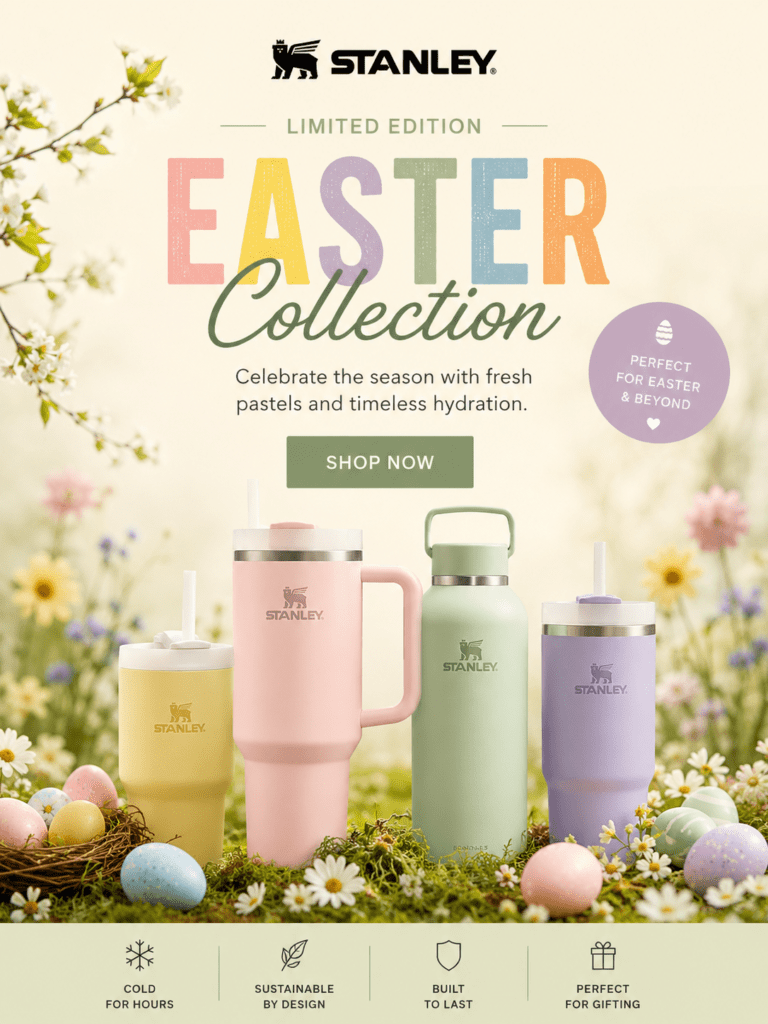
2. Stanley
Stanley’s Easter collection email highlights an exclusive, limited-edition product line to create excitement and demand.
By aligning with the festive season, the company builds urgency and encourages customers to take action quickly.
3.Ralph Lauren
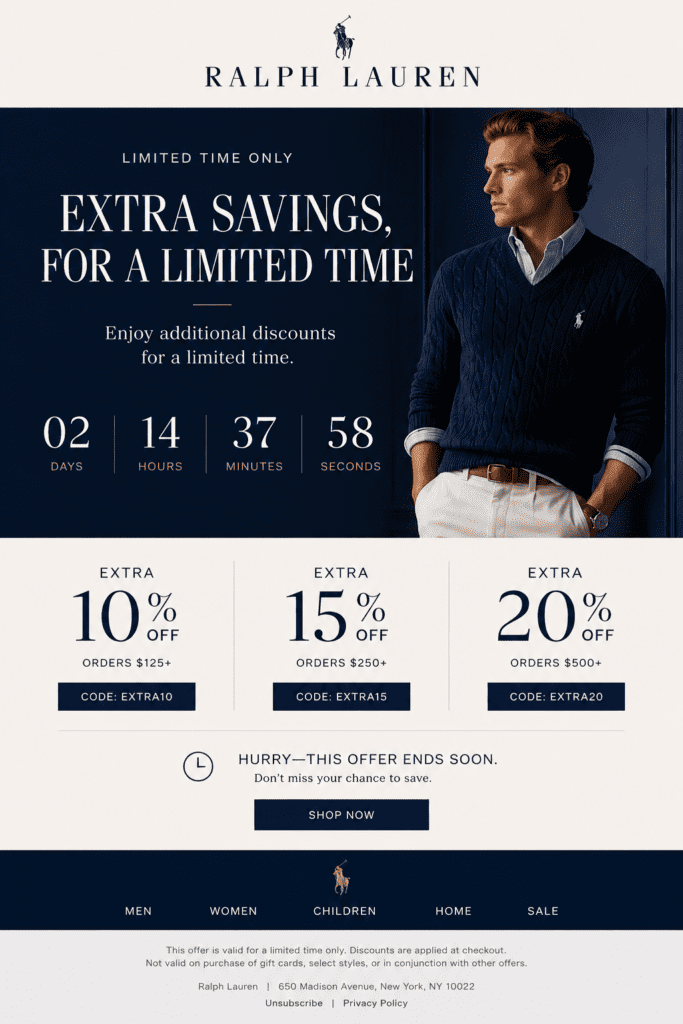
Ralph Lauren’s countdown email generates urgency by offering extra discounts for a limited time, prompting customers to make purchases immediately to avoid missing out on the best deals.
4.Estée Lauder
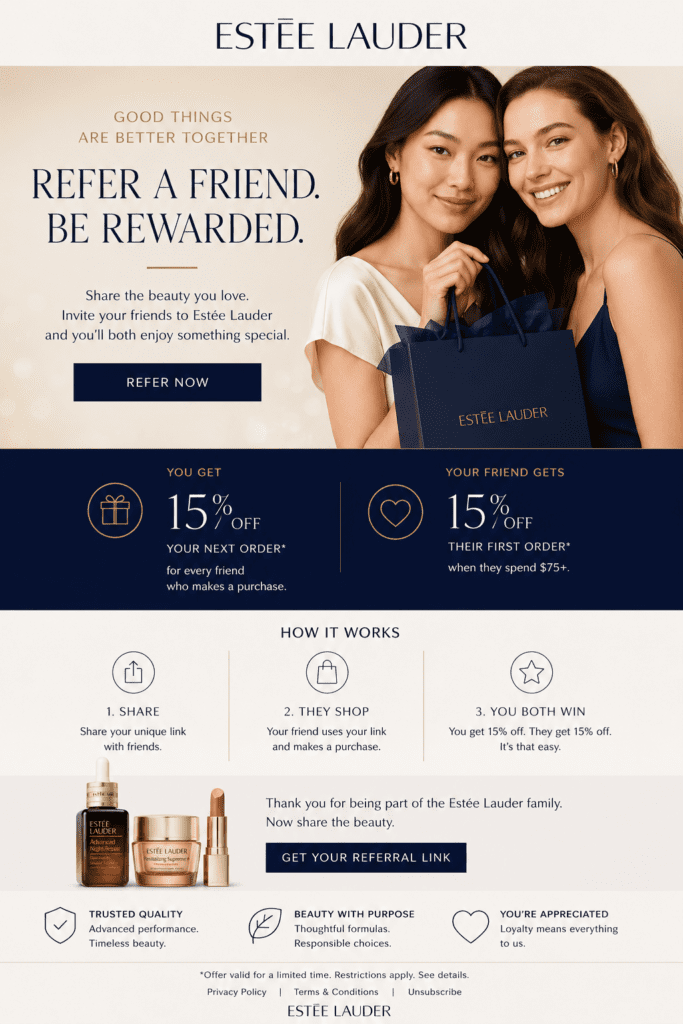
Estée Lauder’s refer-a-friend email campaign rewards existing customers for sharing the brand with their friends.
This strategy helps expand the customer base and reinforces brand loyalty, as familiar contacts introduce new potential buyers to the brand.
5. Shopocity
Shopocity’s welcome email builds a connection with new subscribers through a friendly introduction, promoting a positive customer experience.
This initial interaction sets the tone for future engagement and encourages new customers to explore the brand and its products.